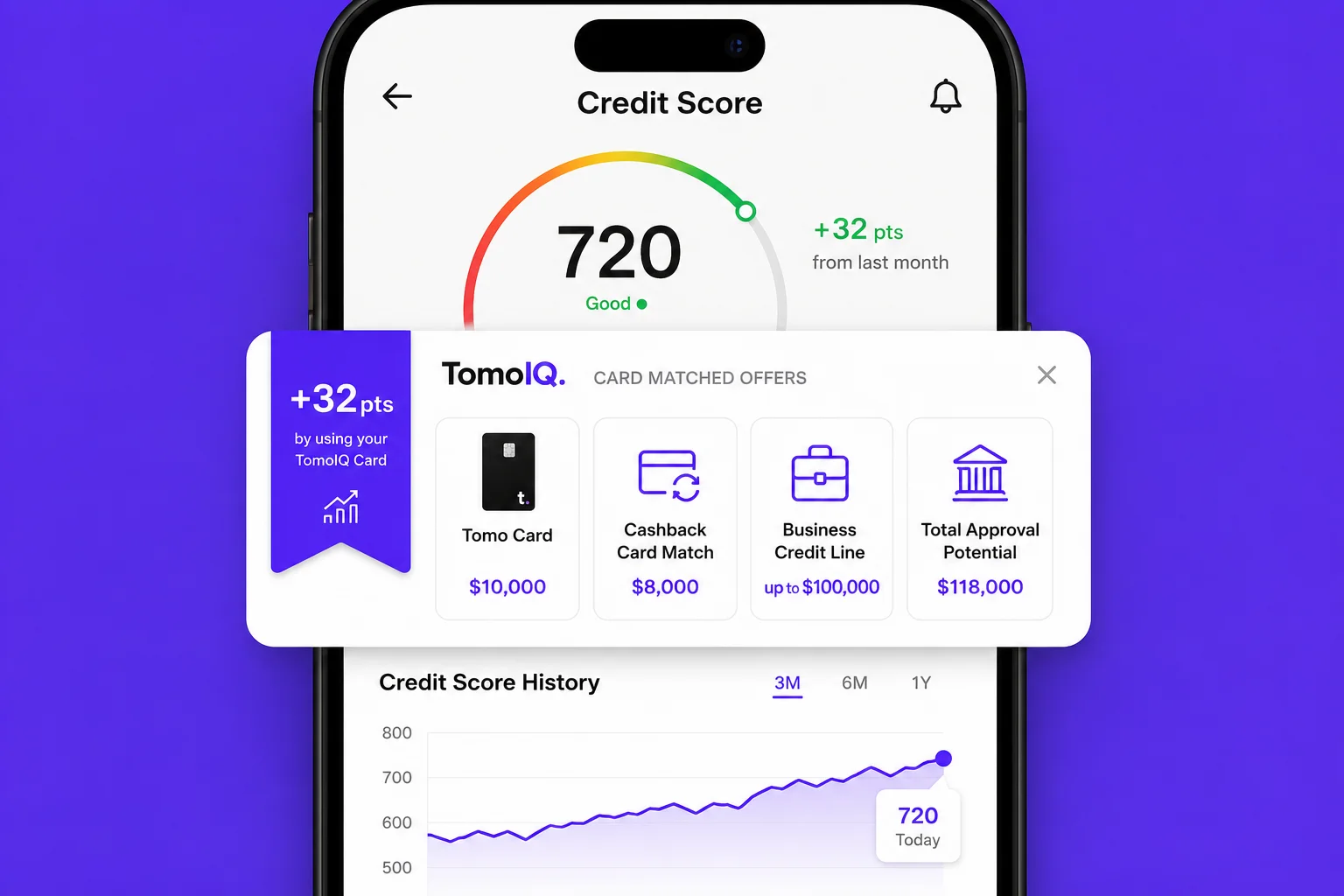
A phone showing TomoIQ Card Center with 8 good approval odds, with text reading 'Your AI agent. Smarter cards. Better approvals.'

New Challenge for US Credit System: Modernizing the Outdated Credit Score

Written by Sarah James ·

Start Building Credit

No credit history required. Apply in minutes.

SUMMARY
  • The financial industry lags other industries in using data to personalize services, relying narrowly on credit bureau reports.
  • The CFPB's 1033 Rule enables open banking, letting consumers share their bank transaction data with lenders for fairer credit decisions.
  • Alternative data like income, employment status, and consistent bill payments can build more accurate risk profiles, especially for people with thin credit files.
  • Companies like TomoCredit already use cash flow data and international credit reports to help immigrants and young people establish creditworthiness.
  • Expanded data access could also enable more flexible lending products, like buy-now-pay-later services and employer-based loans.
Build Your Credit With TomoBoost →

The Financial Industry Lags Behind

Across industries, consumers exchange personal data for greater convenience and personalized experiences. From tailored recommendations on shopping sites to customized streaming selections, sharing data like browsing history and household habits leads to improved services. However, the financial services industry lags in using data to enhance credit experiences.

Today's credit system relies on three major U.S. credit bureaus (Experian, Equifax, and TransUnion) and narrow data points like loan repayment history to determine creditworthiness. This outdated system often results in millions of Americans being denied access to life-changing financial products.

Regulatory Changes and the Future of Credit

Across industries, consumers exchange personal data for greater convenience and personalized experiences. From tailored recommendations on shopping sites to customized streaming selections, sharing data like browsing history and household habits leads to improved services. However, the financial services industry lags in using data to enhance credit experiences.

Today’s credit system relies on three major U.S. credit bureaus (Experian, Equifax, and TransUnion) and narrow data points like loan repayment history to determine creditworthiness. This outdated system often results in millions of Americans being denied access to life-changing financial products. The traditional credit card system is fundamentally flawed, frequently trapping consumers in cycles of debt with high interest rates and hidden fees. It’s essential for consumers to be more careful when selecting credit cards, thoroughly understanding the terms and potential pitfalls to avoid financial distress.

The Consumer Financial Protection Bureau’s 1033 Rule is set to change this. By enabling “open banking,” U.S. consumers can share their bank transaction data with lenders, leading to better, fairer, and more personalized credit options. A 2022 survey found that 74% of lending industry decision-makers believe traditional credit report data is insufficient for assessing creditworthiness.

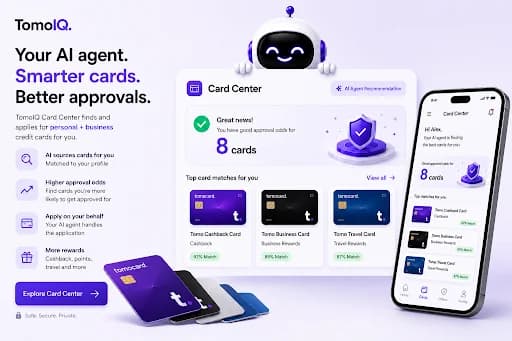
    Positive Developments in Credit

    Embedded finance could also broaden the lending field, allowing organizations to issue credit. Employers, for instance, could use their capital to extend loans to employees.

      Building a Better Credit System

      Building the data infrastructure to support these changes will take time, but the benefits are clear. Increased access to data will help create more affordable, equitable lending practices and give people more control over their financial lives.At TomoCredit, we are leading this transformation by leveraging alternative data to offer equitable lending opportunities. Our mission is to ensure everyone has access to fair and personalized credit options. Join us in revolutionizing the credit industry and experience financial empowerment with TomoCredit.

        Related articles

        The language used on this page is for creative purposes only. TomoCredit (or TomoBoost) does not guarantee an increase in credit score. Individual results vary based on each person's unique credit history and financial circumstances, and subscription payments are non-refundable.