
Does a Bad Credit Score Affect Renting?
A great credit score for renting typically falls between 720 and 850. Without good credit, some landlords won't even offer you the lease — here's what to know before you apply.


Written by Sarah James ·
Start Building Credit
No credit history required. Apply in minutes.
Trying to rent an apartment with bad credit can feel like you're constantly being judged for your past while just trying to move forward. A three-digit number—your credit score—often becomes a gatekeeper, standing between you and a safe, stable home. But here's the truth: your credit score doesn't define your worth, and it doesn't determine your future.
What does make a difference is how you prepare—not just your application, but yourself.
In most U.S. cities, landlords commonly run a credit check during the tenant screening process. While there isn't a universal number that guarantees approval, the general benchmark many landlords look for is a credit score of 620 or higher. A score of 700+ is considered strong and can streamline the process significantly. However, even applicants with scores in the 500–580 range have options—especially if they can demonstrate stable income, solid references, or a larger security deposit.
So while credit scores do matter, they are not the whole story. If your score is on the lower side, this is your opportunity to shift the focus to preparation and intention. Start by reviewing your credit report, clearing up any inaccuracies, and understanding the factors that may be holding you back. From there, organize your financial profile: gather your pay stubs, savings records, and letters of recommendation. These documents can help paint a fuller picture of your reliability as a tenant.
You can also take this time to start building stronger credit habits using tools designed for real-world users. TomoBoost, for example, allows you to report recurring payments—like rent, subscriptions, or phone bills—to help build positive credit history. It's a practical tool for those who may not qualify for traditional credit cards or want to avoid high-interest debt while actively working to raise their score.
And the benefits don't stop once your lease is approved. After you move in, continuing to report your rent payments can give your credit score a consistent and meaningful boost. According to Newsbreak.com, rent reporting is especially effective for those in low-income communities—many of whom don't have access to traditional credit-building tools. Experts say it's one of the easiest and most accessible ways to start establishing or repairing credit.
TomoBoost's rent reporting feature taps directly into this strategy, helping tenants turn one of their biggest monthly expenses into a financial advantage. Over time, consistent on-time rent payments can push your score upward, open new doors to financing, and reshape your entire financial narrative.
So yes—renting with bad credit might take more intentionality, but it's far from impossible. When you walk into the process prepared, informed, and equipped with the right tools, you shift the balance of power. You're not just hoping someone will take a chance on you—you're showing them why they should.
At TomoCredit, we believe your credit past doesn't have to limit your future. With preparation, patience, and tools like TomoBoost, you can find the apartment you need—and start building the credit you deserve.
A great credit score for renting typically falls between 720 and 850. Without good credit, some landlords won't even offer you the lease — here's what to know before you apply.
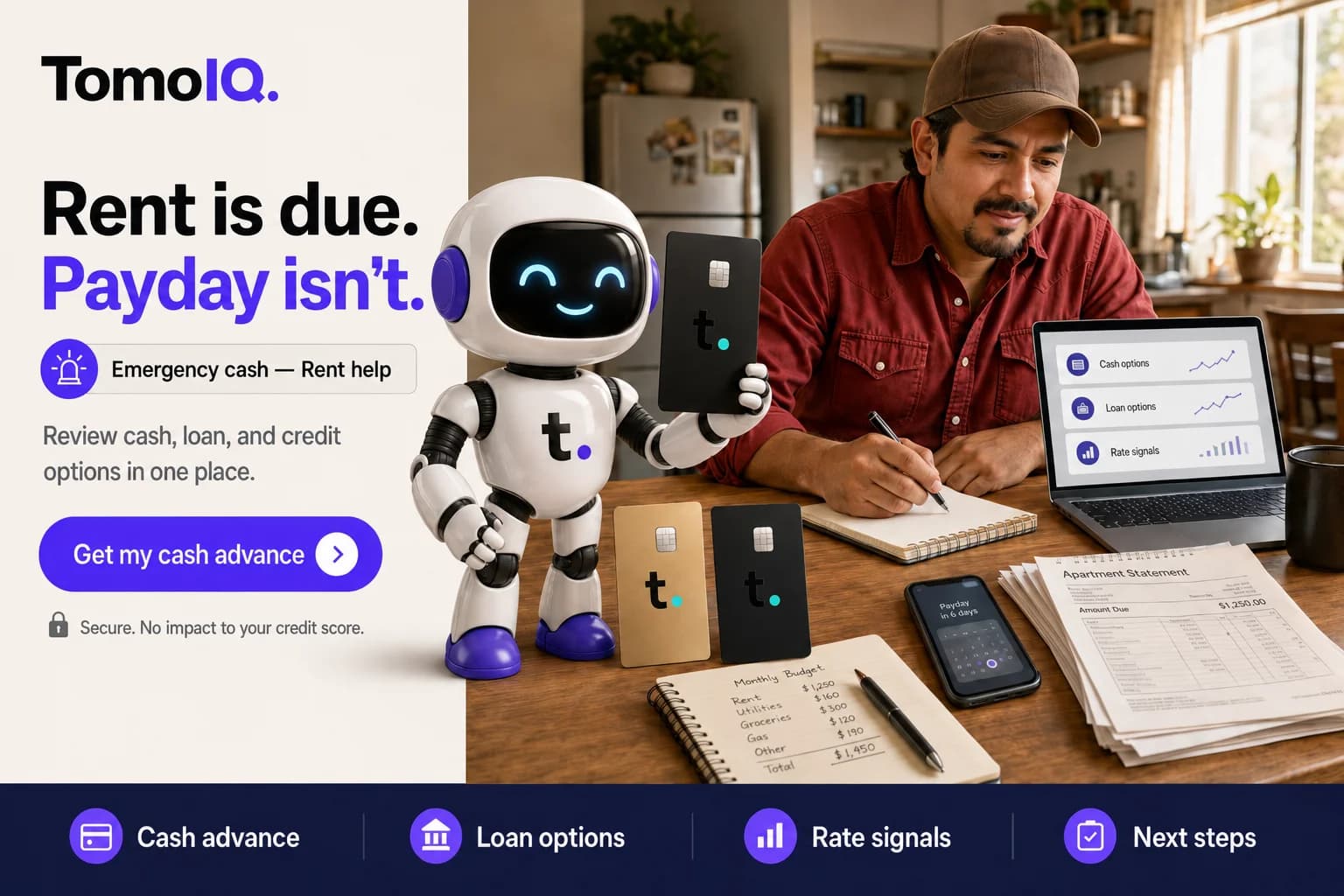
Rent is often one of the most substantial and regular payments people make, yet until recently, it had no impact on one's credit score. TomoCredit's Rent Report service changes that.

You can afford the rent, you have a job, you pay your bills on time — so why does your credit history matter when renting an apartment? Here's what landlords actually look for.
The language used on this page is for creative purposes only. TomoCredit (or TomoBoost) does not guarantee an increase in credit score. Individual results vary based on each person's unique credit history and financial circumstances, and subscription payments are non-refundable.
Start Building Credit
No credit history required. Apply in minutes.