
How to Get an Apartment with Bad Credit?
Trying to rent an apartment with bad credit can feel like you're constantly being judged for your past. But your credit score doesn't define your worth, and it doesn't determine your future.


Written by Sarah James ·
Start Building Credit
No credit history required. Apply in minutes.
Looking for a new place to live can be exciting—but it can also be surprisingly stressful, especially when you're navigating paperwork, income verification, and credit checks. While most people focus on how much rent they can afford or which neighborhood they want to live in, one key factor can quietly derail the entire process: your credit score.
Yes, your credit score plays a major role in your ability to rent a home. It's not just about loans or credit cards—your score can impact your chances of securing a lease, the type of property you qualify for, and even the terms of your rental agreement. A bad credit score can create roadblocks before you even walk through the door for a viewing.
Landlords and property management companies use credit scores as a quick, standardized way to assess risk. In essence, your credit score is a reflection of how reliably you've managed money in the past. It signals whether you've paid your bills on time, kept debts under control, and maintained healthy financial habits. A high credit score reassures landlords that you're a responsible tenant. A low score, on the other hand, can raise doubts—sometimes enough to lead to a rejected application.
So what's considered a "good" credit score when you're applying for a lease? While different landlords may have slightly different benchmarks, most follow a general guideline. Credit scores range from 300 to 850. A great credit score typically falls between 720 and 850. This range gives you the strongest chance of approval and may even give you an edge in competitive rental markets. Scores in the 680–719 range are still considered acceptable in many cases, but the higher your score, the more confident a landlord will feel offering you the lease.
Now here's the hard truth: without good credit, certain property owners might not even offer you the lease—no matter how impressive your job title is or how large your savings account may be. In cities with limited housing supply or in buildings managed by large corporations, a low credit score might automatically disqualify you. Even smaller landlords may hesitate to take a chance on a tenant whose financial history raises red flags.
But the impact doesn't stop there. If a landlord is willing to consider you despite a lower score, you might still face additional hurdles. You may be asked to pay a larger security deposit, commit to a shorter lease term, or bring in a co-signer with stronger credit. In extreme cases, you might find yourself limited to properties in less desirable areas, with fewer amenities, and less flexible lease terms.
This is why building and maintaining great credit is so important. It's not just about buying a house or getting a loan in the future. It's about your quality of life right now—having the freedom to choose where you live, negotiate better lease terms, and avoid extra costs or stress. A strong credit score opens doors. A weak one can shut them quickly.
Fortunately, your credit score is not set in stone. You have the power to improve it over time. Start by paying all your bills on time, especially credit cards and loans. Keep your credit utilization low—aim to use less than 30% of your total available credit. Avoid unnecessary hard inquiries, such as applying for multiple loans or cards at once. And check your credit report regularly to catch errors or fraud that could be dragging your score down.
Improving your credit may take some time, but the benefits will follow you for years to come. Whether you're renting your first apartment or upgrading to your dream home, your credit score will be one of the first things landlords look at. The stronger it is, the smoother your journey will be.
At the end of the day, a great credit score isn't just a number—it's a key to opportunity, stability, and freedom. Don't let a poor score hold you back from the home you deserve.
Trying to rent an apartment with bad credit can feel like you're constantly being judged for your past. But your credit score doesn't define your worth, and it doesn't determine your future.
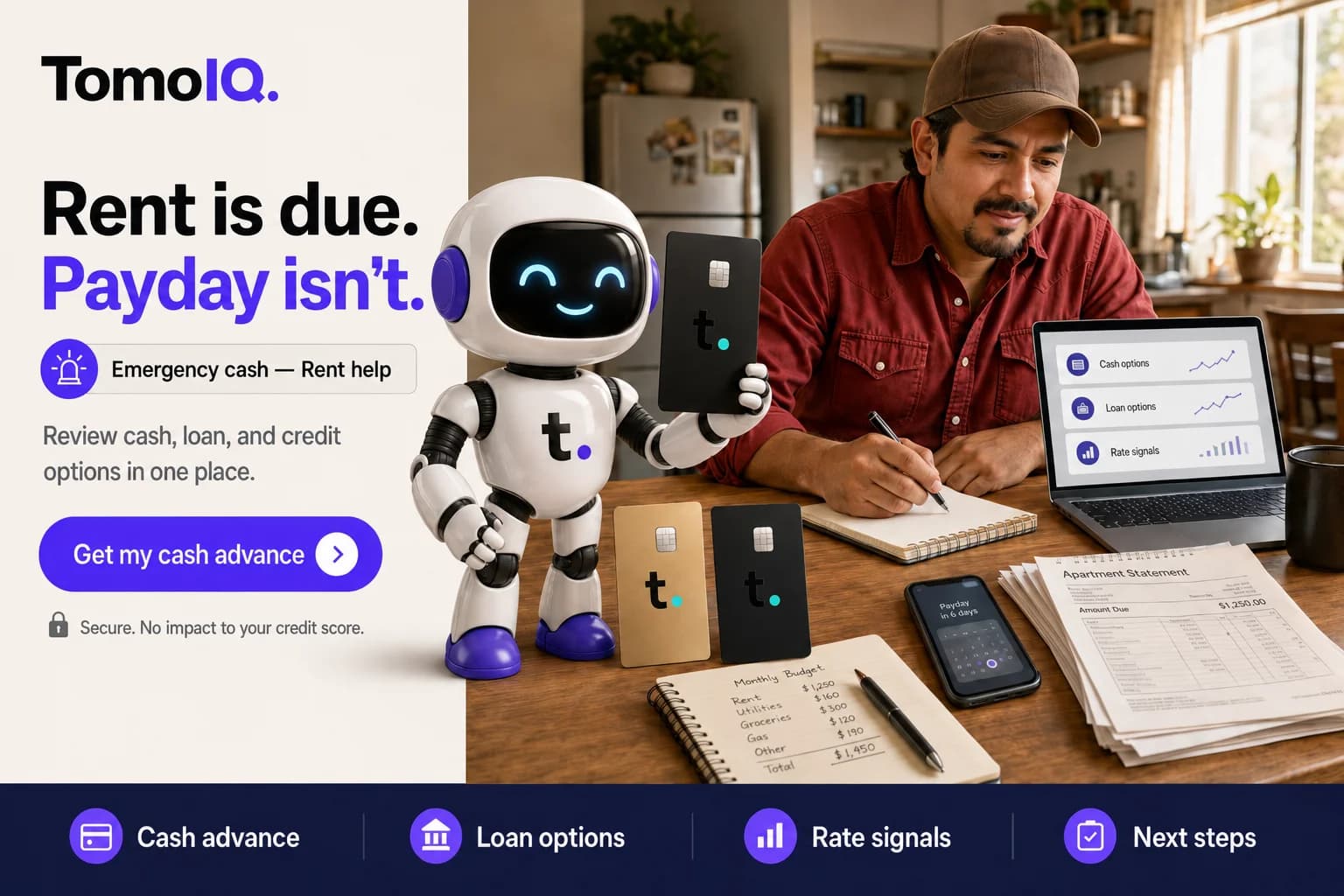
Rent is often one of the most substantial and regular payments people make, yet until recently, it had no impact on one's credit score. TomoCredit's Rent Report service changes that.

You can afford the rent, you have a job, you pay your bills on time — so why does your credit history matter when renting an apartment? Here's what landlords actually look for.
The language used on this page is for creative purposes only. TomoCredit (or TomoBoost) does not guarantee an increase in credit score. Individual results vary based on each person's unique credit history and financial circumstances, and subscription payments are non-refundable.
Start Building Credit
No credit history required. Apply in minutes.