
Can You Get an Apartment With No Credit? Here's What Landlords Look For
You can afford the rent, you have a job, you pay your bills on time — so why does your credit history matter when renting an apartment? Here's what landlords actually look for.


Written by Sarah James ·
Start Building Credit
No credit history required. Apply in minutes.
Building credit at 18 years old is one of the most important—and empowering—financial decisions you can make. A strong credit score can open doors for your future: renting an apartment, financing a car, securing better rates on insurance, or even increasing your chances of getting hired for certain jobs. But credit doesn't build itself; it takes deliberate action, patience, and good habits. The good news? Starting young gives you time to establish a strong credit foundation, and there are plenty of beginner-friendly ways to do it.
One of the most accessible options for young adults is to open a student credit card. These cards are designed specifically for individuals who are new to credit and typically have lower credit limits and lenient approval requirements. When applying, look for a card with no annual fee, a simple rewards structure (if any), and a provider that reports to all three major credit bureaus: Experian, Equifax, and TransUnion. Once approved, don't treat the card as free money. Instead, use it for one or two recurring, budgeted expenses—such as your monthly phone bill, a Spotify or Netflix subscription, or any other regular charge that's predictable and manageable.
By charging only small, consistent amounts to your credit card and paying the full balance off on time each month, you build a positive payment history. This payment history is the single most important factor in determining your credit score, so never miss a due date. Consider setting up automatic payments to remove the risk of forgetting. Keeping your balance low also helps your score—aim to use no more than 30% of your credit limit at any given time. For example, if your credit limit is $500, try to keep your balance under $150.
If you're a college student, check if your school partners with any financial institutions or fintech companies offering tools tailored to young adults. Educational financial platforms, student banking programs, and peer mentoring groups can be great resources for learning and support.
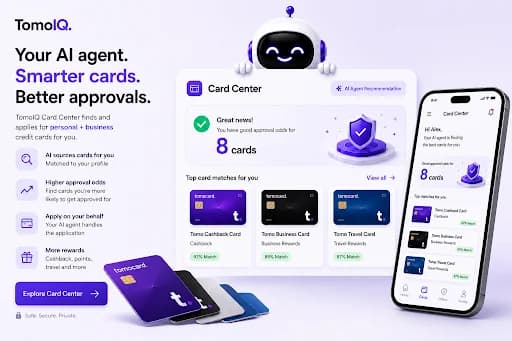
And lastly, don't overlook the value of modern credit-building tools that don't require traditional credit checks. A standout example is TomoCredit, which helps young adults and new-to-credit individuals build credit without charging fees or interest. Tomo doesn't require a credit score to apply—instead, it looks at your financial habits, such as income and spending behavior. Once approved, you can use the Tomo card like a regular credit card and build credit by making on-time payments. It's a simple, modern solution for those who want to avoid debt while still establishing a strong credit profile.
Building credit is not a one-time event—it's a lifelong habit. Starting at 18 gives you a huge advantage, especially if you use the tools available to you responsibly. With consistency, discipline, and smart decisions, your credit score can grow into a powerful asset for years to come.
You can afford the rent, you have a job, you pay your bills on time — so why does your credit history matter when renting an apartment? Here's what landlords actually look for.
ChatGPT gave surprisingly solid advice on how to build credit — but the more I read its answer, the more I realized it was giving information, not guidance.

When you search "credit cards for bad credit," you'll find a lot of options — some helpful, some expensive traps. Here's how to spot the red flags and choose a card that actually helps.
The language used on this page is for creative purposes only. TomoCredit (or TomoBoost) does not guarantee an increase in credit score. Individual results vary based on each person's unique credit history and financial circumstances, and subscription payments are non-refundable.
Start Building Credit
No credit history required. Apply in minutes.