Things I Wish I Knew About Finance In College
A big part of adulting is learning and growing from your mistakes, and a big mistake most people make in college is not learning how to manage their money.

Written by Sarah James ·
Start Building Credit
No credit history required. Apply in minutes.
For many college students, student loans are a major component in helping to afford college. Life after college can be especially confusing when having to manage both student loans and personal finances. For some, it is the first time they have to deal with things like budgeting and making student loan payments. Many schools also do not teach financial literacy, leading there to be several common misconceptions regarding student loans and credit score. So, how does student loan affect credit score?
Many believe that there may be a good or bad association between student loans and credit score, or that there is no relationship at all. But in reality, student loans can affect your credit score both negatively and positively.
For many college students, student loans are a major component in helping to afford college. Life after college can be especially confusing when having to manage both student loans and personal finances. For some, it is the first time they have to deal with things like budgeting and making student loan payments. Many schools also do not teach financial literacy, leading there to be several common misconceptions regarding student loans and credit score. So, how does student loan affect credit score?
Many believe that there may be a good or bad association between student loans and credit score, or that there is no relationship at all. But in reality, student loans can affect your credit score both negatively and positively.
There are five components that make up your credit score: amounts owed, new credit, payment history, credit mix, and length of credit history. Student loans affect payment history, credit mix, and length of credit history.
Keeping up with monthly payments is key. Payment history makes up 35% of your credit score. While forgetfulness does occur, missing continuous payments will be detrimental to your payment history. Payments that are overdue should be taken care of immediately. The more overdue your payment is, the larger the consequence that you will face. You may end up going into default as a result. For federal student loans, this occurs after 270 days of not making the payment, and for private student loans this occurs after three months. Your credit score will drop when your lender reports the late payment to one or all of the three major credit bureaus.
Remember to borrow mindfully. Applying for new loans can hurt your credit score, especially if you have several loans, do not have a long credit history, or student loans are your only form of credit.
If you are forgetful, it may be helpful to schedule reminders on your calendar or set up autopay. If you cannot pay your student loans, try asking your lender to pause or lower your monthly student loan payments as soon as possible.
Conversely, making payments on time will improve your payment history, and therefore benefit your credit score. Presumably, if you have student loans, you will be repaying it within several years. The amount of time taken to repay your student loans affects your length of credit history. Having a history of making regular payments will present you as a reliable borrower to lenders. Student loans also help to diversify your credit mix, increasing your credit score.
If you have student loans, it is important to stay informed about their effects on credit score. How student loans affect your credit score will depend on how you manage your student loans. Making sure to stay organized and on top of your payments will lead you to a better credit score. Having a good credit score is vital to your financial health. You will receive many benefits from a good credit score including low interest rates on credit cards and loans, a higher chance for loan approvals, and much more. If you would like to improve your credit score, consider applying to Tomo. No credit history required, no interests or fees, and your credit will never be pulled.
A big part of adulting is learning and growing from your mistakes, and a big mistake most people make in college is not learning how to manage their money.
You may ask—why would I reject any student loans? Isn't more the better? Different types of student loans come with different repayment obligations you may not want to accept.
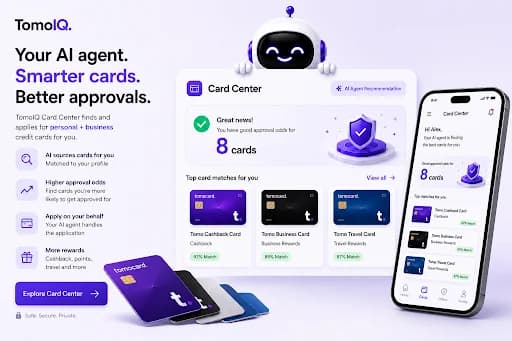
ChatGPT gave surprisingly solid advice on how to build credit — but the more I read its answer, the more I realized it was giving information, not guidance.
The language used on this page is for creative purposes only. TomoCredit (or TomoBoost) does not guarantee an increase in credit score. Individual results vary based on each person's unique credit history and financial circumstances, and subscription payments are non-refundable.
Start Building Credit
No credit history required. Apply in minutes.